
Search in our Website for Amazing Tours Perfect Hotels Wow Destinations Program Details Best Deals |


Main Menu
Most Searched Items On This Website
- Andaman Tour
- Kashmir Tour
- Kerala Tour
- Himachal Tour
- Arunachal Tour
- Sikkim Tour
- Thailand Tour
- Uttarakhand
- Meghalaya
- Leh-Ladakh
- North India
- Srilanka Tour
- Group Tours
- Bali Tour
- Nepal Tour
- Dubai Tour
- Darjeeling Tour
- Bhutan Tour
Other Useful Links
- Offbeat Tours
- Feedback
- Gallery
- Brochure
- Carrier
- Partner
- Domestic
- International
- Adventure
- Snowscape
- Mountain
- Sea Beach
- Weekend Tours
- Forest Safari
- Day Outs
- Religious
- Luxury Tour
- Budget Tour

Jolly Buoy Island – The Jewel of the Andamans
- 17th December 2023
Introduction – A Slice of Paradise in the Bay of Bengal
There are places on Earth that look like they’ve been painted by a master artist — where the sea melts into a dozen shades of turquoise, the sand feels like powdered sugar under your toes, and the air carries the fresh scent of untouched nature. Jolly Buoy Island, part of the Mahatma Gandhi Marine National Park in the Andaman & Nicobar Islands, is one such magical destination.
Tucked away from the chaos of city life, this tiny island is a marine paradise that boasts crystal-clear waters, vibrant coral reefs, and a kaleidoscope of marine life. Unlike commercial beach destinations, Jolly Buoy is a protected eco-zone — meaning no overnight stays, no littering, and strict entry restrictions. This careful preservation has ensured that its beauty remains pristine, making it one of India’s most breathtaking natural treasures.
This travel blog will take you on an immersive journey — from how to reach Jolly Buoy Island, the travel tips you absolutely must know, to a detailed exploration of the coral reefs, marine biodiversity, and nearby attractions. And by the end, you’ll understand why this island is not just a destination, but an experience that changes how you see the ocean forever.
1. The Location & Significance
Jolly Buoy Island lies in the southern part of the Andaman archipelago, about 30 kilometers from Port Blair. It is one of the many small islands within the Mahatma Gandhi Marine National Park, which also includes Wandoor Beach, Red Skin Island, and several uninhabited islets.
What makes Jolly Buoy stand out is its marine biodiversity. Its coral reefs are among the healthiest in the Indian Ocean, with minimal bleaching compared to other parts of the world. The waters are so clear that you can see coral formations and colorful fish without even stepping into the sea.
Since the island is part of a protected marine reserve, plastic is strictly banned — even water bottles made of plastic are not allowed. The Forest Department issues special permits to visitors, and tourist numbers are capped daily to prevent overcrowding.
2. How to Reach Jolly Buoy Island
Reaching Jolly Buoy is a bit of a journey, but it’s an adventure in itself.
Step 1: Arrive in Port Blair
Port Blair, the capital of the Andaman & Nicobar Islands, is your base. It’s connected to mainland India by flights from Chennai, Kolkata, Delhi, Bengaluru, and Hyderabad. The Veer Savarkar International Airport is small but efficient.
Step 2: Travel to Wandoor Jetty
From Port Blair, you’ll need to drive around 30 km to Wandoor Jetty, which takes about 45–60 minutes by car or bus. Wandoor is a sleepy coastal village and the main gateway to the Mahatma Gandhi Marine National Park.
Step 3: Ferry to Jolly Buoy
From Wandoor Jetty, a government-operated ferry takes you to Jolly Buoy Island. The ferry ride lasts about 45 minutes to 1 hour, offering mesmerizing views of emerald-green islands and the endless blue sea.
⚠ Important Note: Jolly Buoy is open to tourists only for about 6 months a year (usually November to May). During the monsoon season, it is closed for conservation, and Red Skin Island becomes the alternative destination.
3. Entry Permits & Eco-Rules
Because Jolly Buoy lies in an ecologically sensitive zone, you must get special entry permits from the Forest Department in Port Blair or through registered travel agents.
The rules are strict:
No plastic allowed (you can bring glass bottles or rent metal water bottles from Wandoor).
No fishing, collecting shells, or disturbing marine life.
Visitors can stay only between 9 AM and 3 PM.
Food must be carried in eco-friendly packaging.
These regulations ensure the coral reefs and marine species remain untouched by human interference.
4. The First Sight of Jolly Buoy Island
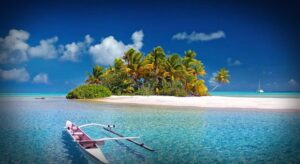
As your ferry approaches Jolly Buoy, the water changes color — from deep blue to crystal turquoise, so clear you can see the sandy seabed and corals from the boat. The island is small — just a lush green hill surrounded by a fringe of white sand — but it radiates an irresistible charm.
The jetty area is usually bustling with guides, snorkel instructors, and fellow travelers. You’ll notice the absence of any shops, hotels, or eateries — this is truly a natural escape. The air feels purer, the soundscape dominated by waves and bird calls.
5. Things to Do in Jolly Buoy Island
Jolly Buoy may be small, but it offers some of the richest marine experiences in India.
5.1 Snorkeling
The highlight of Jolly Buoy is snorkeling over its shallow coral reefs. Even if you’ve never snorkeled before, the guides are patient and provide life jackets and training. The moment your face dips into the water, a new world unfolds — giant clams, brain corals, clownfish darting into sea anemones, parrotfish nibbling at coral, and schools of silver fish shimmering in the sunlight.
5.2 Glass-Bottom Boat Rides
If you’re not keen on getting wet, glass-bottom boat rides are the next best thing. The boats have clear panels in the floor, allowing you to see the corals and fish directly beneath you. The ride is often narrated by guides who explain different coral types — staghorn, table, and mushroom corals — and their importance to marine ecosystems.
5.3 Swimming
The lagoon waters around Jolly Buoy are calm and perfect for swimming. The water is surprisingly warm, and because the island is inside a marine park, there are no commercial water sports — just pure, peaceful ocean bliss.
5.4 Beach Relaxation
If you’d rather just relax, the beach is ideal for sunbathing, reading, or simply staring at the horizon. The sand is incredibly soft, and the tree-shaded areas offer relief from the sun.
5.5 Photography
Jolly Buoy is a dream for photographers — from underwater shots of coral gardens to aerial views (if you have a drone permit), every frame is postcard-worthy.
6. The Underwater World of Jolly Buoy
The waters here are home to:
Coral Varieties: Staghorn, brain, mushroom, and table corals.
Fish Species: Clownfish, butterflyfish, angelfish, damselfish, groupers, and wrasses.
Other Marine Life: Sea cucumbers, starfish, giant clams, and occasional turtles.
The visibility is often up to 20 meters, which is extraordinary for Indian waters. Because the area is protected, the coral here is far healthier than in many parts of Southeast Asia.
7. Best Time to Visit Jolly Buoy
The island is usually open from November to May. The best months are January to April, when the sea is calm, skies are clear, and visibility is at its best. During the monsoon (June–October), strong winds and rough seas make it unsafe for travel, and the ecosystem gets its much-needed rest.
8. What to Pack
Since you can’t buy anything on the island, pack wisely:
Reusable water bottle (metal or glass)
Swimwear and quick-dry clothes
Snorkeling gear (optional, as rentals are available)
Sunscreen (reef-safe)
Towel
Eco-friendly packed lunch
Waterproof camera or GoPro
9. Accommodation Options
You can’t stay overnight on Jolly Buoy, but you can base yourself in:
Port Blair – Wide range of hotels from budget to luxury.
Wandoor Village – Homestays and eco-resorts for a quieter stay.
10. A Day in Jolly Buoy – My Experience
Imagine waking up in Port Blair, the morning sun painting the sky in pastel shades. After a quick breakfast, you drive to Wandoor, the road flanked by lush tropical forests and glimpses of the sea.
The ferry ride is mesmerizing — the salty breeze, the rhythmic hum of the engine, the endless blue. And then, the island appears, like a mirage turning real.
Stepping onto Jolly Buoy feels like entering a different dimension — the water is so clear, it’s as if the corals are floating in mid-air. You slip into your snorkel gear, take a deep breath, and dive in… and the rest of the world disappears.
By the time you return to the jetty in the afternoon, you feel both exhilarated and strangely peaceful. The kind of peace only nature can give.
11. Responsible Travel & Conservation
Visiting Jolly Buoy is a privilege — and it comes with responsibility. Always:
Follow all eco-guidelines.
Avoid touching corals or marine creatures.
Carry back all your waste.
Use reef-safe sunscreen to protect marine life.
12. Nearby Attractions
Wandoor Beach – Quiet and scenic, perfect for sunsets.
Red Skin Island – Alternate to Jolly Buoy during monsoon.
Chidiya Tapu – Birdwatching and sunset point.
Cellular Jail – A historic landmark in Port Blair.
Conclusion – Why Jolly Buoy Deserves a Place in Your Bucket List
Jolly Buoy Island is not just a beach destination — it’s a lesson in how nature thrives when left untouched. It’s proof that tourism and conservation can go hand in hand. Visiting here is like stepping into a living aquarium, where every ripple tells a story millions of years old.
If you’re planning a trip to the Andamans, set aside a day for Jolly Buoy. You’ll return with salt in your hair, sand between your toes, and memories that sparkle as brightly as the island’s turquoise waters.

Contact Us
Don't feel hesitate to contact us, We are always available to assist you for any assistance or suggestions
Email
info@funztour.in funztour.india@gmail.com
Website
www.funztour.in
Phone
+91 93300 98589 ; +91 89028 74251